Sandwich chain Jersey Mike's files for IPO, reports 50% same-store sales growth in recent years
Jersey Mike's plans to list Class A common stock on the New York Stock Exchange under the ticket symbol “JMKE,” though it is unclear when it plans to do so..
VERDICT — CONFIRMED
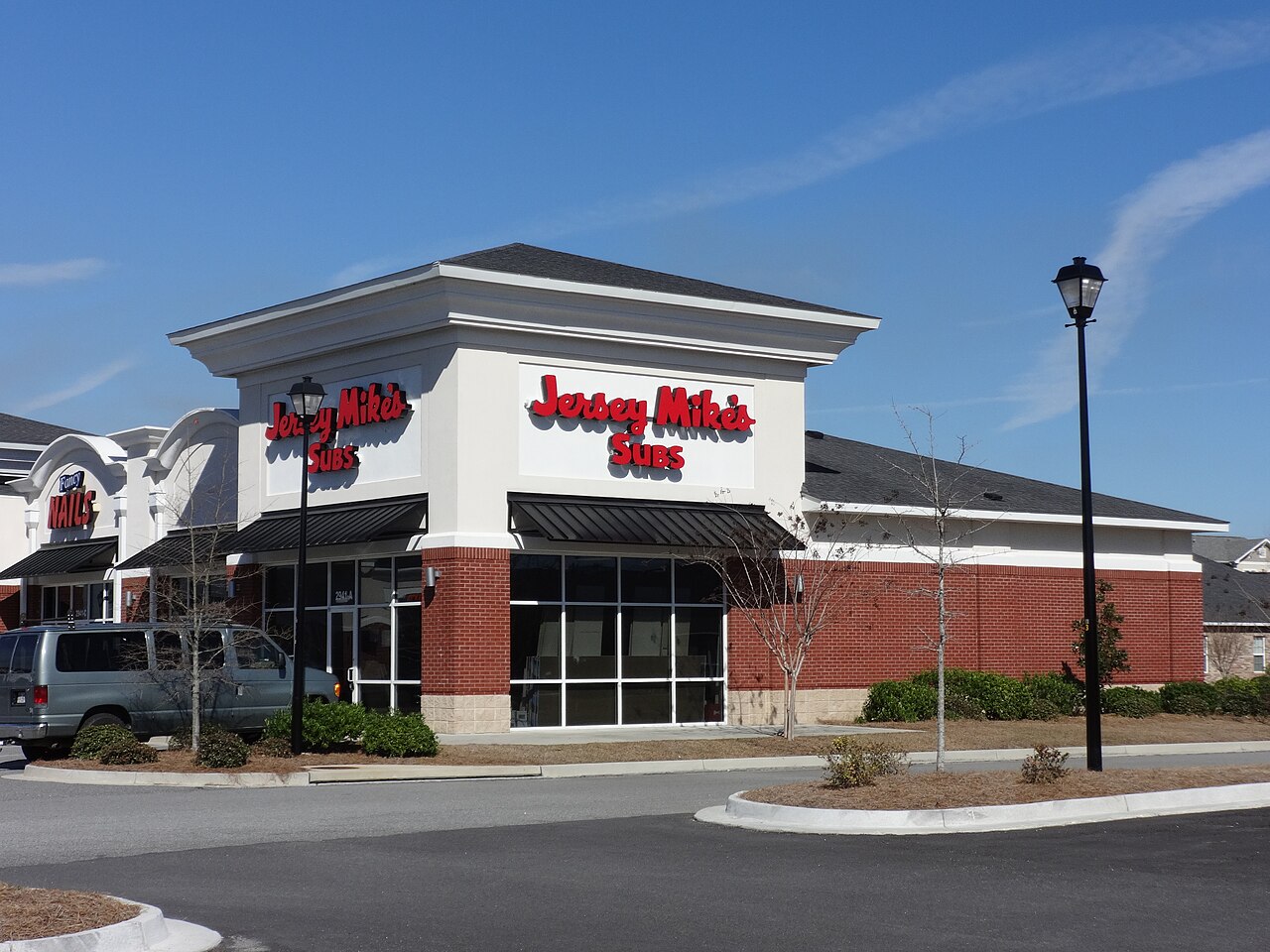
Sandwich chain Jersey Mike's has filed for an initial public offering, reporting 50% same-store sales growth in recent years, per the June 29 wire item's headline. The company plans to list Class A common stock on the New York Stock Exchange under the ticker symbol "JMKE," per the item's summary, though it is unclear when it plans to do so.
The item's cited primary source, however, is unrelated to the IPO: CFTC press release 9263-26, dated June 29, in which the Commodity Futures Trading Commission ordered two foreign firms — Netrios LP Ltd. and Red Acre Ltd. — to pay a combined $2.5 million ($1.75 million and $750,000 respectively) over illegal off-exchange leveraged or margined retail commodity transactions involving US customers, per the release. The SEC simultaneously announced charges against the same entities, per the release.
The item's corroborating links also point elsewhere — DOJ, FTC and WSJ items on separate enforcement settlements. As a result, the Jersey Mike's details, including the JMKE ticker and the 50% same-store sales figure, could not be verified against any cited source, and the underlying IPO registration filing was not reviewed. The figures should be treated as unconfirmed pending the filing itself.
Background
Jersey Mike's is one of the largest sandwich franchises in the United States, built on submarine sandwiches and a franchise-heavy model that expanded aggressively through the 2010s and 2020s from its origins at the New Jersey shore, where the original shop dates to 1956. In 2024 the private equity firm Blackstone agreed to acquire a majority stake in the company in a deal widely reported to value the chain at roughly $8 billion including debt — the kind of sponsor ownership that commonly precedes a public listing, as buyout firms seek exit routes for large consumer brands.
An IPO would follow the standard sequence: a registration statement filed with the Securities and Exchange Commission, an SEC review period, a roadshow and then pricing — a timeline that routinely runs months from filing to listing and can be shelved if markets turn. A dual-class structure with listed Class A shares, as described in the item, is a common device for founders and sponsors to retain voting control after listing.
What comes next
The controlling document is the registration statement on file with the SEC, which would carry the audited same-store sales figures, the share-class structure and the ticker reservation; its public posting on EDGAR is the verification step this item lacks. Timing of any listing would depend on SEC review and market conditions, and the company would set terms in subsequent amended filings.