Interest Rates (May 2026)
The Bank of Korea reported on June 26 that the average interest rate on new deposits was 2.93% in May 2026, up 1 basis point from the previous month, while the average rate on outstanding deposits stood at 2.03% at end-M.
At a glance
- Korean banks' average rate on new deposits was 2.93% in May 2026, up 1bp month on month
- The average rate on new loans fell 1bp to 4.19% in May 2026
- The average rate on outstanding loans rose 1bp to 4.31% as of end-May
VERDICT — CONFIRMED
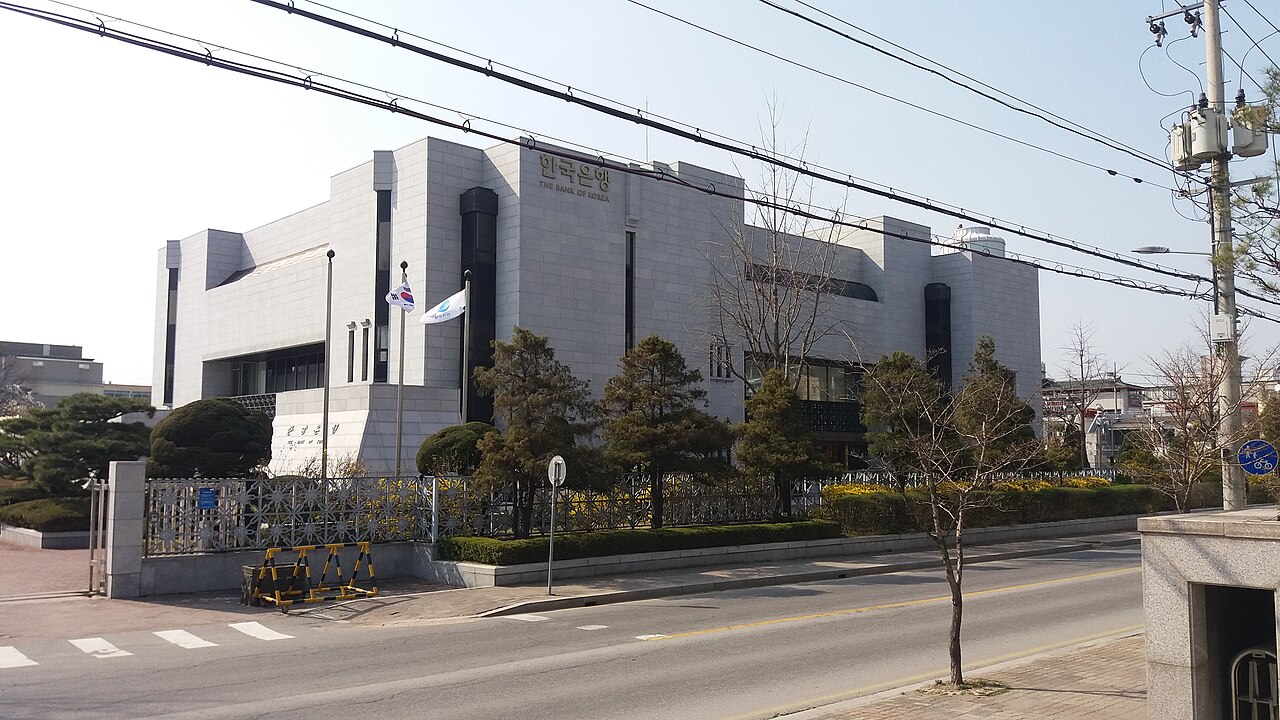
The average interest rate on new deposits at Korean banks was 2.93% in May 2026, up 1 basis point from the previous month, the Bank of Korea reported on June 26.
Per the central bank's release, the average rate on outstanding deposits stood at 2.03% at end-May, also up 1 basis point. On the lending side, the average rate on new loans fell 1 basis point to 4.19%, while the rate on outstanding loans rose 1 basis point to 4.31%.
The movements are marginal in both directions — single-basis-point shifts across deposits and loans alike — and the figures are the central bank's own monthly compilation of weighted average bank rates. Breakdowns by loan type — household versus corporate lending, or mortgage rates specifically — were not carried in the feed and remain unverified here.
Background
The Bank of Korea, South Korea's central bank, publishes weighted average interest rates on bank loans and deposits each month. The series is a standard gauge of monetary policy transmission — how changes in the Bank's base rate feed through to the prices commercial banks actually charge borrowers and pay depositors — and of competitive conditions in the banking system.
The spread between lending and deposit rates is also watched as a proxy for bank margins, and loan pricing carries particular weight in Korea because household debt is among the highest relative to GDP of any major economy, with a substantial share in floating-rate and mortgage borrowing. Small monthly moves in average loan rates therefore accumulate into meaningful shifts in household debt-service burdens over time.
What comes next
The next monthly compilation, covering June, would follow on the Bank of Korea's regular schedule. Watch the direction of new-loan pricing against deposit rates: continued divergence — deposit rates edging up while new-loan rates ease — would bear on bank margins and on how fully the Bank's policy stance is transmitting to credit conditions.
Key facts on file
- Korean banks' average rate on new deposits was 2.93% in May 2026, up 1bp month on month
- The average rate on new loans fell 1bp to 4.19% in May 2026
- The average rate on outstanding loans rose 1bp to 4.31% as of end-May