THU 02 JUL 2026 · GMT EDITION A WHITESTONE INTELLIGENCE PUBLICATION
MARKETS · CYBER · MEMOS · MODELS
DAILY ISSUES26 MAY27 MAY28 MAY29 MAY30 MAY31 MAY01 JUN02 JUN03 JUN04 JUN05 JUN06 JUN07 JUN08 JUN09 JUN10 JUN11 JUN12 JUN13 JUN14 JUN15 JUN16 JUN17 JUN18 JUN19 JUN21 JUN22 JUN23 JUN24 JUN25 JUN26 JUN27 JUN28 JUN29 JUN30 JUN01 JUN02 JUNALL ›
FRONT PAGE / MARKETS / MKT-2026-05-19-F1
MARKETS · rates central banks · 2026-05-19SCOOP 55

Korean household credit rose 14.0 trillion won in Q1 2026 to 1,993.1 trillion won

The Bank of Korea reported on May 19 that total household credit outstanding increased by 14.0 trillion won in Q1 2026, reaching 1,993.1 trillion won as of end-March.

·FILED 2026-05-19·1 MIN READ·RE-VERIFIED 2026-07-02 UTC·✓ RE-VERIFIED 2026-07-02

At a glance

  • Total Korean household credit rose 14.0 trillion won in Q1 2026 to 1,993.1 trillion won at end-March
  • Household loans increased 12.9 trillion won to 1,865.8 trillion won
  • Merchandise credits increased 1.1 trillion won to 127.3 trillion won

VERDICT — CONFIRMED
pipeline-backfill confidence · primary + corroborating sources verified · re-verified 2026-07-02 UTC
Korean household credit rose 14.0 trillion won in Q1 2026 to 1,993.1 trillion won
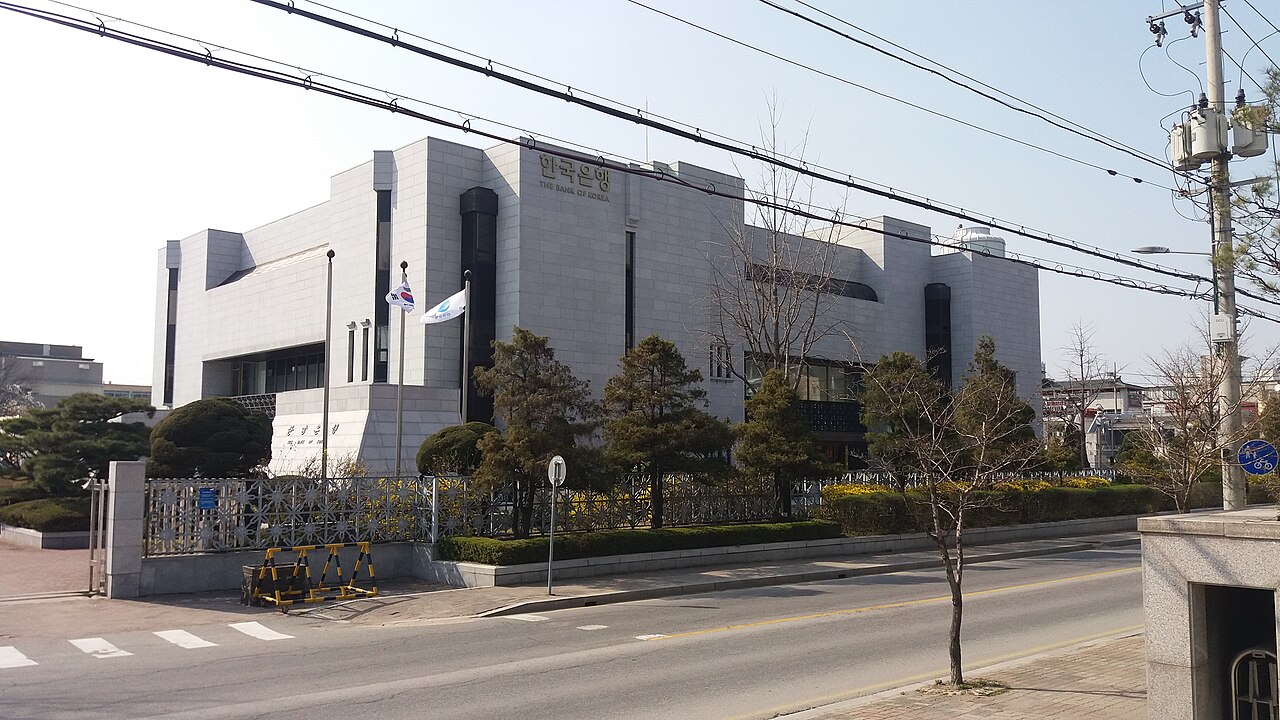
Photo: Neoalpha · via Wikimedia Commons · CC0

Korean household credit outstanding rose by 14.0 trillion won in the first quarter of 2026, reaching 1,993.1 trillion won as of end-March, the Bank of Korea reported on May 19.

Household loans accounted for most of the increase, rising 12.9 trillion won in the quarter to 1,865.8 trillion won, per the central bank. Merchandise credits — instalment and card-based purchase financing — grew 1.1 trillion won to 127.3 trillion won.

The figures come from the Bank of Korea's quarterly household credit release. The breakdown between mortgage and other lending, and the comparison with the fourth quarter of 2025's pace, were not included in the material reviewed.

The data are official central bank statistics. At 1,993.1 trillion won, the headline stock sits just below the 2,000 trillion won mark; whether it crosses that line is a question for the second-quarter release.

Key facts on file

  • Total Korean household credit rose 14.0 trillion won in Q1 2026 to 1,993.1 trillion won at end-March
  • Household loans increased 12.9 trillion won to 1,865.8 trillion won
  • Merchandise credits increased 1.1 trillion won to 127.3 trillion won

PRIMARY SOURCE

Bank of Korea — Press Releases (EN)
— (2026-05-19) · fetched at filing · archived at publication

Sources · two-source rule

Share
Filed by the Markets desk · verified by the verification desk · re-verified 2026-07-02 · Our standards: the two-source rule ›
CITE THIS FILE — The Dossier Wire · mkt-2026-05-19-f1 · filed 2026-05-19 · https://thedwire.com/wire/mkt-2026-05-19-f1-korean-household-credit-rose-14-0-trillion-won-in-q1-2026.html · Primary and corroborating sources listed above; archived at publication. Republishing & licensing: hello@thedwire.com.
More from Markets FULL DESK ›
Synchronized sovereign-bond rout: US 30-year hits ~5.2% (19-year high), Japan 30
Money Morning
MARKETS · SCOOP 86

Synchronized sovereign-bond rout: US 30-year hits ~5.2% (19-year high), Japan 30-year at a record, German Bund highest since 2011

Government bonds sold off in unison across developed markets in mid-to-late May, pushing long-dated yields to multi-decade highs as the energy-driven inflation shock from the US-Iran conflict and the Strait of Hormuz closure collided with heavy sovereign issuance. The US 30-year Treasury yield rose to about 5.2%, described as its highest

exclusive✓ verified
READ THE FILE ›
Energy-shock inflation jump: April PCE ~3.8% (3-year high) as Hormuz closure kee
Sunday Guardian Live
MARKETS · SCOOP 77

Energy-shock inflation jump: April PCE ~3.8% (3-year high) as Hormuz closure keeps oil elevated and stalls Fed cuts

An energy-price shock stemming from the 2026 US-Iran/Israel conflict and the closure of the Strait of Hormuz pushed US inflation to multi-year highs during the window, removing the Federal Reserve's room to cut and underpinning the bond rout and equity volatility. The April PCE price index was reported around 3.8% year over year, a roughl

✓ verified
READ THE FILE ›

The morning wire in your inbox — every brief, primary sources linked, no noise.

Free tier. The Wire — continuous desk briefs · Records archive · Bureau alerts.

Stored to the wire's subscriber list. No spam, unsubscribe any time.