Obernolte, Trahan unveil 269-page 'Great American AI Act' draft with three-year preemption of state AI-development laws
On June 4, 2026, Reps.
At a glance
- 269-page discussion draft released June 4, 2026 by Reps. Jay Obernolte (R-Calif.) and Lori Trahan (D-Mass.); co-sponsors Suhas Subramanyam (D-Va.), Scott Franklin (R-Fla.), Scott Peters (D-Calif.), Erin Houchin (R-Ind.)
- Three-year preemption of state laws 'specifically regulating the development' of AI models; explicitly overrides California AB 2013 (training-data transparency) and parts of SB 942 (content watermarking); preserves state authority over deployment/use
- 'Large frontier developers' defined as companies with over $500 million annual revenue
- Catastrophic risks defined as foreseeable risks causing 50+ deaths or $1 billion+ in property damage
- Semi-annual audits by Independent Verification Organizations; 15-day reporting of critical incidents (24 hours for imminent risks); penalties up to $1 million per day
VERDICT — CONFIRMED
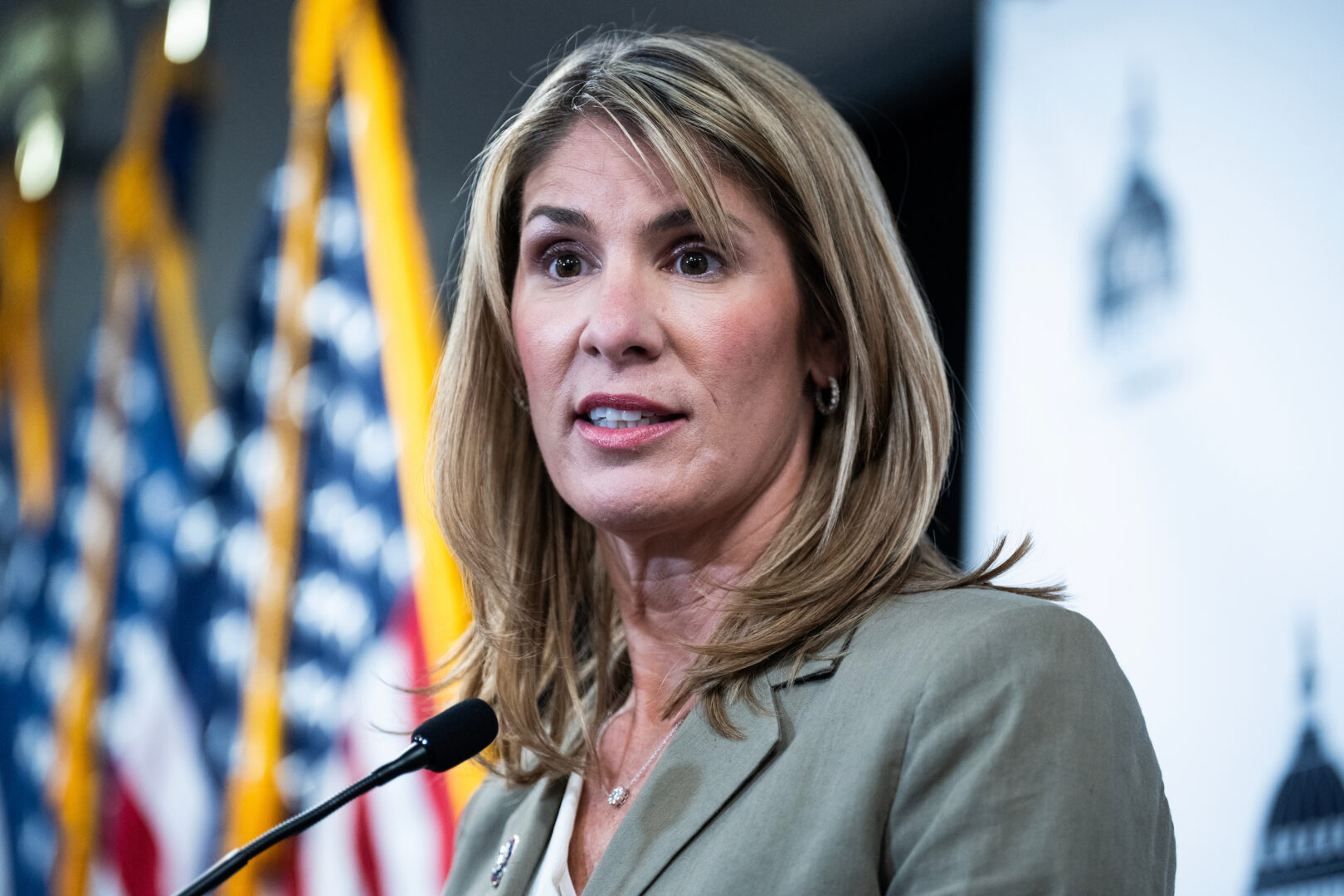
On June 4, 2026, Reps. Jay Obernolte (R-Calif.) and Lori Trahan (D-Mass.) released a 269-page discussion draft of the 'Great American Artificial Intelligence Act,' a bipartisan attempt to build a federal AI governance framework. Co-sponsors include Reps.
Suhas Subramanyam (D-Va.), Scott Franklin (R-Fla.), Scott Peters (D-Calif.) and Erin Houchin (R-Ind.). The marquee provision is a three-year preemption of state laws 'specifically regulating the development' of AI models — explicitly overriding California's AB 2013 (training-data transparency) and parts of SB 942 (content watermarking) — while preserving states' authority over AI deployment and use. The draft imposes binding duties on 'large frontier developers' (companies with over $500 million in annual revenue): public safety frameworks addressing catastrophic risks (defined as foreseeable risks causing 50+ deaths or $1 billion+ in property damage), semi-annual audits by Independent Verification Organizations, 15-day reporting of critical incidents (24 hours for imminent risks), and penalties up to $1 million per day for violations.
It also codifies the Center for AI Standards and Innovation in the Commerce Department, authorizing $100 million per year for FY2027-2029, and funds AI-literacy grants and a Labor Department AI Workforce Research Hub. The draft drew immediate opposition: Brad Carson (Americans for Responsible Innovation) called preemption a 'generational mistake' creating a 'federal ceiling'; Brendan Steinhauser (Alliance for Secure AI) argued it doesn't justify stripping state safeguards; and Patrick Hedger (NetChoice) warned 'aggressive auditing' could expose trade secrets. It is a discussion draft soliciting feedback before formal introduction.
Key facts on file
- 269-page discussion draft released June 4, 2026 by Reps. Jay Obernolte (R-Calif.) and Lori Trahan (D-Mass.); co-sponsors Suhas Subramanyam (D-Va.), Scott Franklin (R-Fla.), Scott Peters (D-Calif.), Erin Houchin (R-Ind.)
- Three-year preemption of state laws 'specifically regulating the development' of AI models; explicitly overrides California AB 2013 (training-data transparency) and parts of SB 942 (content watermarking); preserves state authority over deployment/use
- 'Large frontier developers' defined as companies with over $500 million annual revenue
- Catastrophic risks defined as foreseeable risks causing 50+ deaths or $1 billion+ in property damage
- Semi-annual audits by Independent Verification Organizations; 15-day reporting of critical incidents (24 hours for imminent risks); penalties up to $1 million per day
- Codifies Center for AI Standards and Innovation in Commerce Department; authorizes $100 million per year FY2027-2029; AI-literacy grants and Labor Department AI Workforce Research Hub
- Opposition quotes: Brad Carson (Americans for Responsible Innovation) — 'generational mistake' / 'federal ceiling'; Brendan Steinhauser (Alliance for Secure AI); Patrick Hedger (NetChoice) on 'aggressive auditing'